|
||||
|
In this Update:
Senate Votes to Cut Taxes and Put PA Families First
The Senate approved legislation to dramatically decrease costs for Pennsylvania families by cutting taxes on electric bills and school supplies, eliminating the current sales tax exemption for data centers and strengthening the state’s Educational Improvement Tax Credit (EITC) program. Making up the largest tax cut in Pennsylvania history, the proposal would eliminate the gross receipts tax on electric bills and require utility companies to pass the reduction on to consumers, saving ratepayers more than $1.7 billion over the first year. It would also implement a two-week sales tax holiday in August for school supplies, such as book bags, crayons, textbooks and tablets. The highly successful EITC program, which provides scholarships to help families send children to schools that best meet student needs, would receive an additional $25 million under the legislation, bringing the total to $705 million. EITC scholarships remain one of our top priorities for empowering Pennsylvania parents. House Bill 1667, as amended by the Senate, would also respond to concerns being raised across the commonwealth by eliminating the existing sales tax exemption for data centers. The Senate action aims to provide greater affordability at a time when hardworking Pennsylvania families are feeling the strain of rising costs. The bill now moves to the House of Representatives. Senate Votes to Support Victims Over Murderers
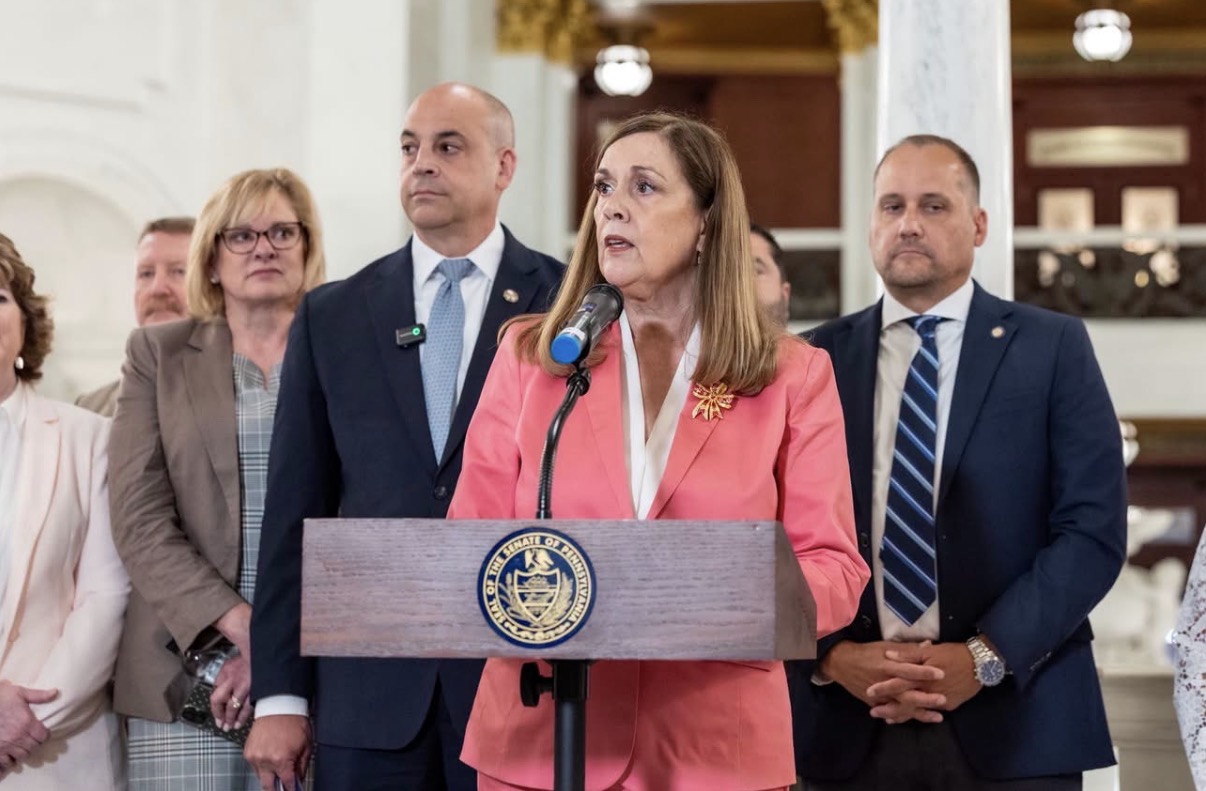
The Senate approved legislation I introduced to update sentencing laws for second-degree murder following a recent Pennsylvania Supreme Court ruling. The bill now advances to the House of Representatives, which must act quickly. Without legislative action, Pennsylvania’s existing sentencing structure for second-degree murder would be invalidated, creating uncertainty for victims, prosecutors and the courts. More than 1,150 individuals currently serving sentences for second-degree murder could be affected. Under Pennsylvania law, second-degree murder, often called felony murder, applies when someone dies during the commission of certain serious crimes, even if the defendant did not directly cause the death. In March, the Pennsylvania Supreme Court ruled that the automatic life-without-parole sentence for second-degree murder was unconstitutional. The ruling takes effect July 24. Senate Bill 1400 creates a new sentencing framework that complies with the court’s ruling while ensuring those involved in serious crimes remain accountable. The bill allows judges to consider an individual’s role in the crime when determining a sentence, while maintaining strong penalties for offenders and protections for victims. Read more about this effort to safeguard communities here. Over 24 Million in Natural Gas Impact Fees for Susquehanna & Wyoming
More than $24 million in natural gas impact fee revenue collected in 2025 will be distributed to Susquehanna and Wyoming counties and their municipalities. Susquehanna County will receive nearly $7.5 million, the largest county allocation in Pennsylvania, while 40 municipalities across the county will share more than $13.2 million. Wyoming County will receive more than $1.3 million and 23 of its municipalities collectively will receive more than $2.3 million. The funding supports a wide range of local priorities including infrastructure improvements, environmental projects, public safety initiatives and community development efforts. Continued energy development and the growth of the natural gas industry provide a significant economic boost for our area. The impact fee is crucial to the region with these funds being used to enhance community, conservation and environmental protection projects. It is essential we have proper balance between job creation and community safety, and the impact fee helps us to accomplish just that. Reducing the Backlog in PA Rape Kit Testing
For years, Pennsylvania has worked to reduce the backlog of untested rape kits and to ensure survivors of sexual assault are treated with the urgency and dignity they deserve. We passed a 2024 law to move forward with a statewide sexual assault evidence tracking system so survivors can better understand where their kit is in the process. During the implementation of the system, inconsistency on collection of kits were found from one jurisdiction to another. Senate Bill 1212 establishes a clear, statewide expectation that sexual assault evidence that has been collected should be treated consistently. The measure was sent to the House of Representatives for consideration. Read more about the latest action to reduce the backlog in rape kit testing here. Cutting Red Tape for Charities
The Senate voted to update charitable financial reporting requirements to better reflect the resources of nonprofits. The change would ensure transparency without imposing an unnecessary burden that undermines the charity’s mission. Senate Bill 1183 would update the level of financial review required for charitable organizations based on the amount of annual contributions they receive. Reviews range from independent CPA audits for larger nonprofits to no reviews or audits for smaller ones. The thresholds have not been updated since 2017. The bill was sent to the House of Representatives for consideration. Read more about updating charitable audit requirements here. Providing Discounted Fishing and Hunting Licenses to Law Enforcement
In gratitude for the service of police officers across our commonwealth, the Senate approved legislation to provide current and retired law enforcement with discounted hunting and fishing licenses. Under Senate Bill 469, law enforcement officials would be able to acquire each license for $1. It may be a small gesture, but discounted licenses can help the men and women patrolling our communities take a break from a stressful job and enjoy the outdoors. The measure now goes to the House of Representatives for consideration. Read more about Senate Bill 469 here. Judiciary Committee Advances Bills to Protect Vulnerable Individuals
The Judiciary Committee approved several measures aimed at protecting vulnerable individuals. Senate Bill 890 would give heirs better protection to prevent forced sales of inherited property by establishing a framework for resolving disputes, creating safeguards against unfair, forced sales and providing co-owners with opportunities to retain family property. House Bill 2443 would create the Child Victim Recovery Fund to provide dedicated support for children’s advocacy centers and services for child victims of sexual abuse through fees assessed against convicted offenders and participants in diversionary programs involving sexual offenses. The bills now advance to the full Senate for consideration. Why Do PA Energy Costs Remain High?
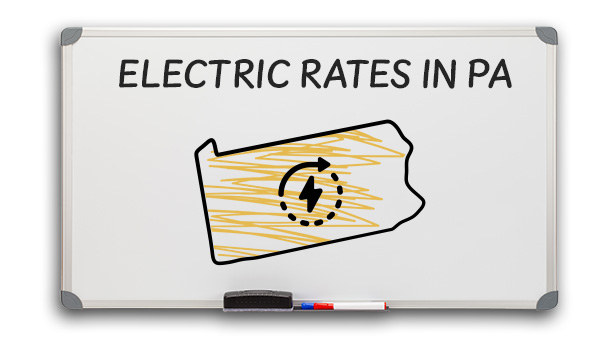
A topic I hear often about from constituents is skyrocketing electric rates. Here’s what’s driving this frustrating trend: Pennsylvania is the number one exporting state in the nation for net electricity. We’re the energy hub for the 13 states that are part of the Pennsylvania, New Jersey and Maryland grid, known as PJM. Without Pennsylvania’s reliable energy sources, including natural gas, coal and nuclear power, states like Maryland, New Jersey and Virginia would literally be in the dark. They don’t produce nearly enough reliable baseload power for their own needs. The Shapiro Price Cap With the Shapiro Price Cap in place, every state is paying the same: $330 per megawatt day, meaning Pennsylvania families and employers are paying MORE while people in Virginia and Maryland are paying LESS. If we want lower electricity rates, we must require other states to do their fair share or pay more to help keep the PJM grid viable. Click here to read more about why energy costs remain high for Pennsylvanians. Misericordia University Receives State Grant to Support Women with Children
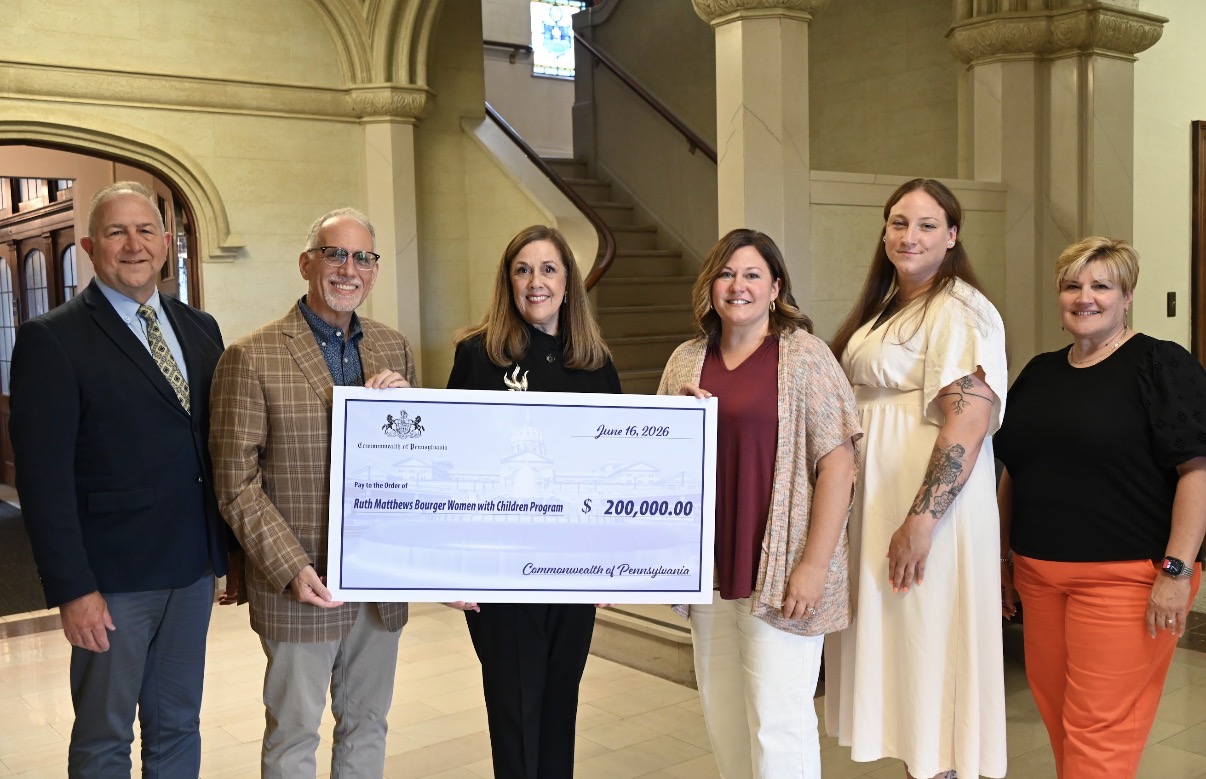
I was proud to support a $200,000 state grant awarded to Misericordia University to strengthen support for single mothers in the Ruth Mathews Bourger Women with Children program by expanding housing, childcare, and academic resources that help student mothers earn degrees and build long-term economic stability. The funding will enhance the program’s mission by providing resources that help student mothers persist through graduation while supporting healthy developmental outcomes for their children. Program graduates are encouraged to pursue stable employment or advanced education, creating long-term benefits for their families. PSEA Members Push Legislative Priorities in Harrisburg
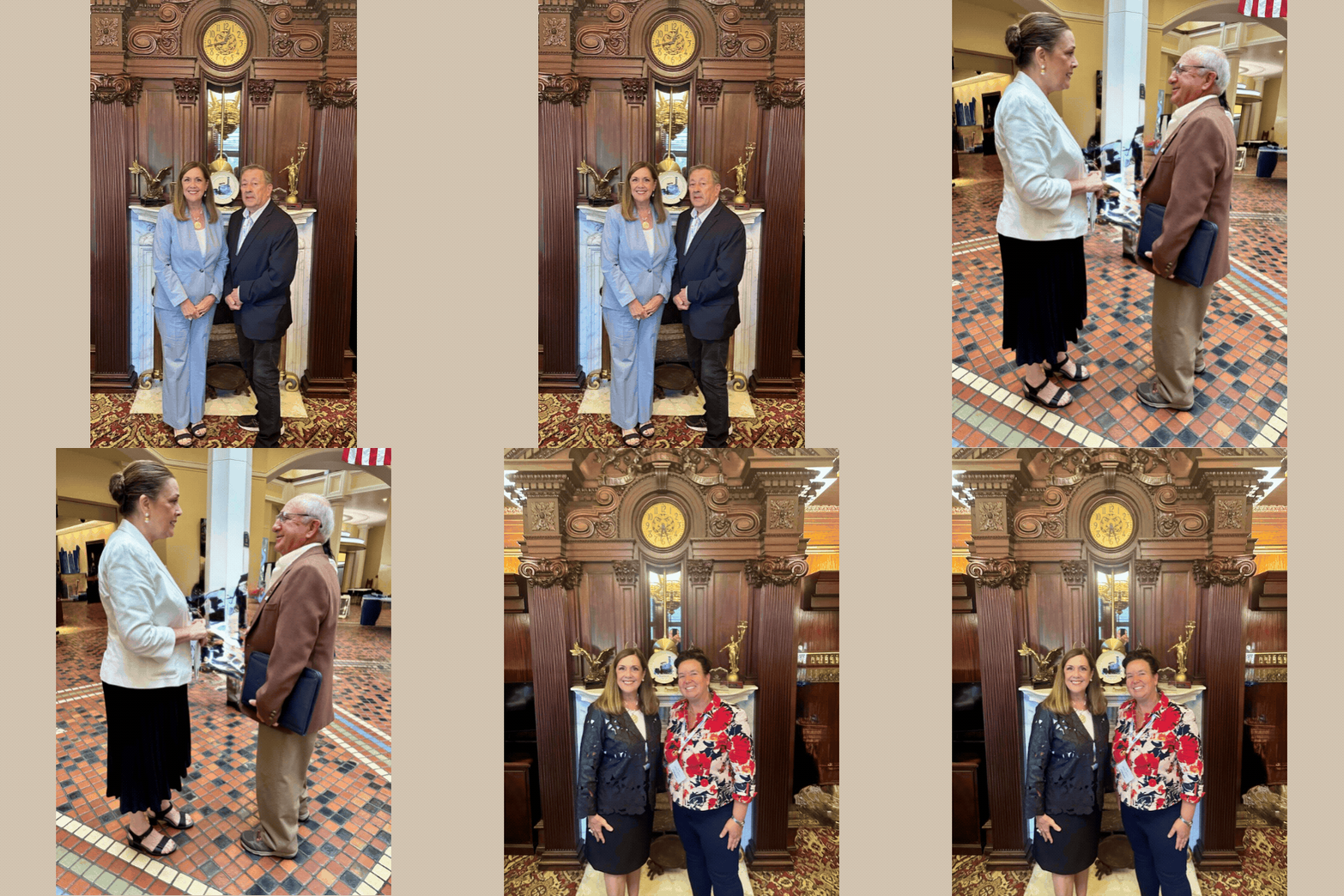
Members of the Pennsylvania State Education Association (PSEA) and PSEA-Retired were busy this month outlining their legislative priorities including addressing teacher shortages, student cell phone use and a COLA for public employees retiring prior to the benefit enhancement approved under Act 9 of 2001. It was great to see Gail Honeywell, Rich Kern and Tony Perzia while they were in town as part of these advocacy efforts. Your Input Wanted on Statewide Transportation Improvement Program
The 2027 Statewide Transportation Improvement Program (STIP), a list of transportation projects identified for funding statewide, is available for public review and comment through June 30. The STIP is made up of 24 regional Transportation Improvement Programs and a variety of additional programs. It is updated every two years after the regional programs are submitted and approved, and will be adopted as part of the 12-Year Program update by the State Transportation Commission in August. You can review the plan and submit your comments here.
Please do not reply to this email. If you would like to contact Senator Baker, submit a web contact form here. |
||||
|
||||


Want to change how you receive these emails? 2026 © Senate of Pennsylvania | https://www.senatorbaker.com | Privacy Policy |


![Post-it note reading “non profit” on top of financial documents.]](https://www.pasenategop.com/wp-content/uploads/2026/06/Nonprofit-Charity-enews-1.jpg)

![Orange and white traffic cone on road with freshly applied asphalt.]](https://www.pasenategop.com/wp-content/uploads/2026/06/Transportation-Plan-enews.jpg)
